
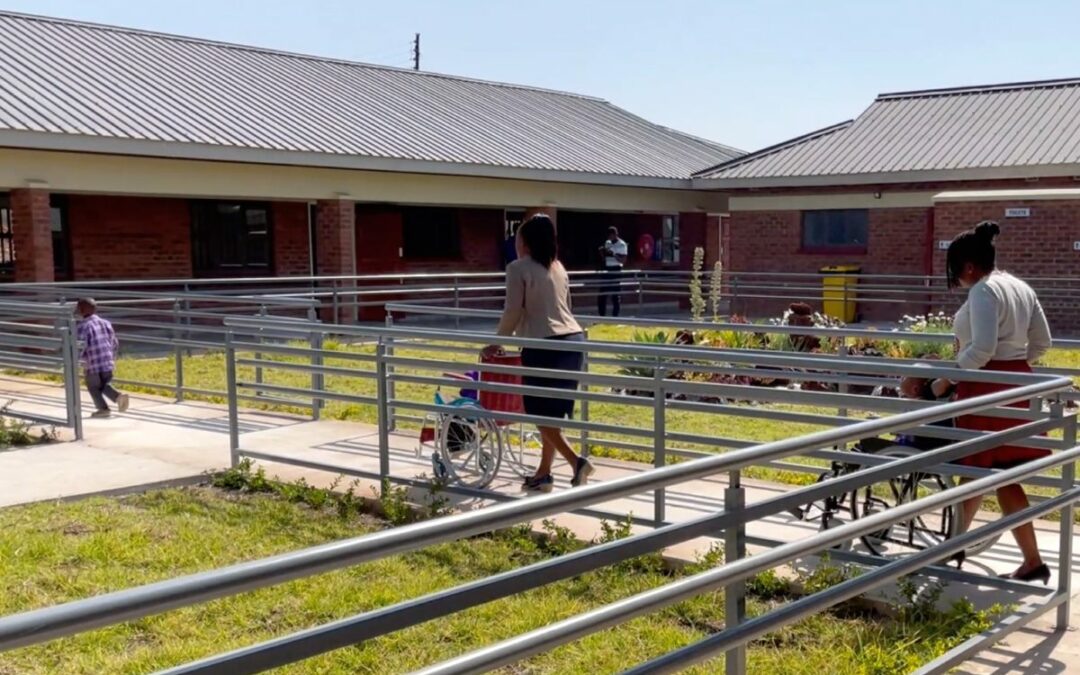
In educational settings, stereotypes about students with disabilities persist despite efforts to promote diversity. These stereotypes often underestimate the abilities and potential of disabled students, creating barriers to their full participation in academic life. At the Ezekiel Guti Junior Legacy School, our goal is to foster an empowering educational environment where all students can thrive. This article delves into the prevalent stereotypes surrounding students with disabilities and highlights initiatives to challenge and reshape them.
Examining Common Misconceptions About Disability in Education
Stereotypes about students with disabilities are deeply rooted in societal attitudes. One common misconception is the belief that disability signifies incompetence, leading to diminished expectations and opportunities for disabled students. This stereotype fails to recognize the diverse abilities and talents of disabled individuals, perpetuating the idea that they are inherently inferior or incapable of academic success.
The late Ezekiel Guti Junior, visionary of the EJ Legacy School, defied the stereotypes surrounding disability through his academic journey and personal resilience. Despite facing physical challenges and a speech impediment, EJ demonstrated exceptional intelligence and determination throughout his schooling years.
Another widespread stereotype is the assumption that disabled students rely excessively on assistance and accommodation, resulting in a lack of independence. While some disabled students may require support, this stereotype disregards their resilience, ingenuity, and capacity for self-advocacy. Disabled students often demonstrate resourcefulness in overcoming obstacles and navigating their educational journey with determination.
Furthermore, stereotypes surrounding specific disabilities can exacerbate marginalization and discrimination. For instance, students with intellectual disabilities may be unfairly perceived as lacking intelligence or academic potential, while those with physical disabilities may encounter barriers to participation due to inaccessible facilities.
Strategies to Combat Stereotypes and Promote Awareness
At the EJ Legacy School, we’re making concerted efforts to challenge misconceptions and foster awareness within educational institutions. Our approach involves educating students, teachers, and staff about disability to promote a more nuanced understanding and dispel stereotypes.
Promoting positive representation and visibility of disabled individuals is among our strategies for challenging stereotypes. By highlighting the accomplishments and contributions of disabled students, our educators aim to counter negative stereotypes and showcase the diverse talents within our student body, and in our local community.
Creating accessible learning environments is essential for challenging stereotypes and facilitating the full participation of disabled students. This entails providing accommodations, support services, and accessible facilities to ensure equal opportunities for all students. It also involves cultivating a culture of respect and empathy, where differences are acknowledged and embraced.
We aim to empower disabled students by equipping them with the knowledge and skills to advocate for themselves, assert their rights, and dismantle barriers, thus fostering a more equitable educational environment.
Fostering Understanding and Empowerment in Education
Challenging stereotypes about students with disabilities requires collective action and commitment from educators, students, and society. By challenging misconceptions, promoting awareness, and fostering understanding, we hope to create educational environments where all students feel valued and empowered to succeed. Let us work together to break down barriers, celebrate diversity, and redefine disability in education for the benefit of all.